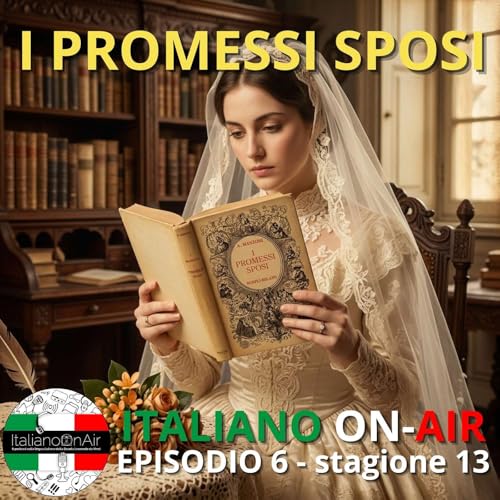
Italiano ON-Air cover art

Italiano ON-Air

Italiano ON-Air

By: Scuola Leonardo da Vinci
Listen for free

Il podcast sulla lingua italiana della Scuola Leonardo da Vinci

Nella nostra scuola di lingua italiana poniamo molto accento sulla lingua parlata, quella che ti permette di avere scambi fluidi con i madrelingua e anche di imparare la grammatica e gli usi della lingua in modo semplice e divertente.

Da qui è nata l'idea di un podcast! I nostri insegnanti di lingua italiana hanno pensato ad un format sulla lingua italiana, per imparare vocaboli, espressioni, modi di dire. Per praticare l'ascolto e la pronuncia. Su Italiano ON Air potrai sentire un dialogo su un argomento di attualità o di cultura, e qualche volta saranno protagonisti anche i nostri studenti!

Seguici!

The podcast on the Italian language by Scuola Leonardo da Vinci

In our Italian language school we put a lot of emphasis on the spoken language, the one that allows you to have fluent exchanges with native speakers and also to learn grammar in a simple and fun way.

Hence the idea of a podcast! Our Italian language teachers have thought of a format for the Italian language, to learn words, expressions, and idioms. To practice listening and pronunciation. On "Italiano ON-Air" you can hear dialogue on a topical or cultural topic, and sometimes our students will be protagonists too!

© 2026 Scuola Leonardo da Vinci
Education Language Learning
Episodes
  • 🎧 I Promessi Sposi
    May 20 2026
    Può uno scherzo di matrimonio finire in un duello a colpi di spada... e con una citazione letteraria? In questa puntata, Alessio e Katia partono da un bizzarro aneddoto familiare per portarvi alla scoperta del romanzo più famoso (e a volte temuto!) della letteratura italiana: I Promessi Sposi di Alessandro Manzoni. Se volete capire davvero la cultura e la lingua italiana, questo è l'episodio che fa per voi!💡 Cosa imparerai ascoltando questa puntata:Le origini dell'italiano moderno: scoprirai come e perché questo romanzo dell'Ottocento ha letteralmente "creato" la lingua che parliamo oggi, unendo un'Italia che all'epoca era divisa dai dialetti.Le citazioni che ogni italiano conosce: imparerai l'origine di frasi iconiche come "Questo matrimonio non s'ha da fare", usate ancora oggi nella vita quotidiana.I temi universali dell'opera: capirai perché una storia ambientata nel ‘600 (tra ingiustizie, amore ostacolato ed epidemie) parla in realtà di temi attualissimi come la critica al potere e la ricerca della giustizia.Consigli di lettura per studenti di italiano: Alessio e Katia ti spiegheranno quale livello di lingua (da B1 a C2) serve per affrontare il testo e come farlo senza scoraggiarsi.🌊 Focus Lingua & Cultura: Cosa significa "Risciacquare i panni in Arno"?Durante la puntata, Katia usa questa celebre espressione che ogni studente di italiano dovrebbe conoscere. Ma da dove viene?Quando Alessandro Manzoni scrisse la prima versione del suo romanzo, si rese conto che lo stile era troppo influenzato dal dialetto lombardo e dal francese. Per dare alla neonata Italia una lingua comune, bella e accessibile, Manzoni decise metaforicamente di "andare a risciacquare i panni in Arno" (il fiume che attraversa Firenze). Significa che si trasferì a Firenze per correggere il suo libro, adottando il fiorentino colto, parlato dalle persone istruite del tempo, come modello di italiano standard. Oggi, nel linguaggio comune, questa espressione viene usata (spesso in modo ironico) per dire che si va a Firenze o in Toscana per ripulire il proprio accento, perfezionare la lingua e imparare l'italiano più corretto e puro!Buon ascolto e... fateci sapere nei commenti se anche nel vostro Paese esiste un libro che tutti gli studenti sono obbligati a leggere a scuola!E se anche tu vuoi "risciacquare i panni in Arno" e migliorare il tuo italiano, ti aspettiamo nelle sedi della Scuola Leonardo da Vinci a Firenze! Oppure a Milano, Roma, Torino e Viareggio!🇬🇧 🎧 I Promessi Sposi (The Betrothed)Can a wedding prank end in a sword duel... and a literary quote? In this episode, Alessio and Katia share a bizarre family anecdote to lead you on a discovery of the most famous (and sometimes feared!) novel in Italian literature: I Promessi Sposi (The Betrothed) by Alessandro Manzoni. If you truly want to understand Italian culture and language, this is the episode for you!💡 What you will learn by listening to this episode:The origins of modern Italian: You will discover how and why this 19th-century novel literally "created" the language we speak today, uniting an Italy that, at the time, was deeply divided by regional dialects.Quotes that every Italian knows: You will learn the origin of iconic phrases like "Questo matrimonio non s'ha da fare" (This marriage is not to be performed), which are still used in everyday life today.The universal themes of the masterpiece: You will understand why a story set in the 17th century—filled with injustice, forbidden love, and epidemics—actually speaks to highly relevant modern issues, such as the critique of arrogant power and the search for justice.Reading tips for Italian learners: Alessio and Katia will explain which language level (from B1 to C2) you need to approach the text and how to do so without getting discouraged.🌊 Language & Culture Focus: What does "Risciacquare i panni in Arno" mean?During the episode, Katia uses this famous expression that every student of Italian should know. But where does it come from?When Alessandro Manzoni wrote the first draft of his novel, he realized his style was too heavily influenced by his native Lombard dialect and by French. To give the newly born Italy a shared, beautiful, and accessible language, Manzoni metaphorically decided to "go and rinse his clothes in the Arno" (the river that flows through Florence). This means he moved to Florence to revise his book, adopting the educated Florentine dialect, spoken by the cultured people of the time, as the model for standard Italian. Today, in everyday speech, this expression is used (often ironically) to say that someone is going to Florence or Tuscany to clean up their accent, polish their language skills, and learn the most correct and pure form of Italian!Happy listening and... let us know in the comments if there is a "national book" in your country that all students are required to read at school!And if you too want to "rinse your clothes in the Arno" and improve your Italian...
    Show More Show Less
    6 mins
  • Alex Zanardi, l'uomo che non si è mai arreso
    May 13 2026

    In questo episodio di 🇮🇹ITALIANO ON-AIR🎙️, rendiamo omaggio a una figura leggendaria dello sport e dell'umanità: Alex Zanardi. Recentemente scomparso, Zanardi è stato un esempio di resilienza e forza d'animo per tutta l'Italia e per il mondo intero. Attraverso il racconto della sua "seconda vita", esploreremo la capacità dell'essere umano di affrontare le sfide più difficili con dignità e passione.

    🇮🇹 Cosa imparerai in questa puntata:

    • Il mito dell'Araba Fenice: scopriremo il significato del verbo risorgere e come utilizzare l'espressione "essere come una fenice" per descrivere chi riesce a rialzarsi dopo una catastrofe.
    • Il concetto di "Fatica": analizzeremo la differenza tra ambizione e passione attraverso le parole di Alex, comprendendo come l'espressione "fare fatica" possa assumere un valore positivo.
    • Lessico della forza: impareremo aggettivi e verbi fondamentali per descrivere il coraggio, come:
      • Impavido: qualcuno che non conosce la paura.
      • Arrendersi: il concetto di rinunciare o smettere di lottare (e perché Alex non lo ha mai fatto).
    • Metafore quotidiane: come usare il termine "salita" per descrivere le difficoltà della vita.

    📲 Scrivici a podcast@scuolaleonardo.com o commenta sui nostri canali social (Instagram - TikTok - Facebook)!

    La puntata è disponibile su Spotify, Apple Podcast, YouTube Music e con sottotitoli sincronizzati sul nostro canale YouTube.

    ----------- 🇬🇧 ENGLISH 🇺🇸------------

    Alex Zanardi, the man who never gave up

    In this episode of 🇮🇹ITALIANO ON-AIR🎙️, we pay tribute to a legendary figure in sports and humanity: Alex Zanardi. Recently passed away, Zanardi served as an example of resilience and fortitude for Italy and the world. By retracing his "second life," we explore the human capacity to face the toughest challenges with dignity and passion.

    🇮🇹 What you will learn in this episode:

    • The Myth of the Phoenix: we will discover the meaning of the verb risorgere (to rise again) and how to use the idiom "essere come una fenice" to describe someone who bounces back after a disaster.
    • The concept of "Fatica": we analyze the difference between ambition and passion through Alex’s own words, understanding how the phrase "fare fatica" (to struggle/to make an effort) can carry a deeply positive meaning.
    • Vocabulary of Strength: we will learn essential adjectives and verbs to describe courage, such as:
      • Impavido: dauntless; someone who is fearless.
      • Arrendersi: to surrender or give up (and why Alex never did).
    • Everyday Metaphors: how to use the term "salita" (uphill/climb) to describe life's difficulties.

    I nostri contatti / Our contacts
    📧 podcast@scuolaleonardo.com
    🎤 podcast.scuolaleonardo.com (puoi lasciarci un messaggio vocale)
    📲 Facebook - Instagram - TikTok - Youtube

    Show More Show Less
    5 mins
  • 🌬️ Via col Vento: Nomi, Origini e Modi di Dire
    May 6 2026

    Ti sei mai chiesto perché i venti in Italia hanno nomi così particolari? In questa puntata di 🇮🇹ITALIANO ON-AIR🎙️, Katia e Alessio ci portano a spasso tra le correnti d'aria che attraversano la penisola, svelandoci i segreti della Rosa dei Venti.

    Dalla fredda Tramontana al caldo Scirocco, scoprirai che i nomi che usiamo oggi non sono affatto casuali, ma raccontano la storia dei navigatori del Mediterraneo e la geografia delle nostre terre.

    🇮🇹 Cosa imparerai in questa puntata:

    • imparerai i nomi dei punti cardinali e dei principali venti che soffiano in Italia.
    • Etimologia e curiosità: perché il Maestrale si chiama così? E cosa c'entra il "sorgere del sole" con lo Scirocco? Capire l'origine delle parole ti aiuterà a memorizzarle più facilmente.
    • Scoprirai parole come "scompigliato" (perfetto per quando il vento ti rovina l'acconciatura!) o la differenza tra un vento freddo e uno umido che porta la sabbia.
    • Imparerai a usare metafore comuni nella conversazione quotidiana, come:
      • Gridare ai quattro venti📢
      • Gettare al vento🗑️
      • Avere il vento in poppa

    E da voi, che vento tira? Siete "scompigliati" come Alessio o il cielo è limpido? Fatecelo sapere nei commenti! Scriveteci qual è il vento più famoso della vostra zona o provate a usare uno dei nuovi modi di dire che avete imparato oggi. Non "gettateli al vento", mettetevi alla prova! 🌬️💬

    Scrivete a podcast@scuolaleonardo o nei commenti di YouTube per fare pratica! ✍️👇


    🇬🇧 Have you ever wondered why winds in Italy have such unique names? In this episode of 🇮🇹 ITALIANO ON-AIR 🎙️, Katia and Alessio take us on a journey through the air currents crossing the peninsula, uncovering the secrets of the Compass Rose (Rosa dei Venti).

    From the icy Tramontana to the scorching Scirocco, you’ll discover that today’s names aren’t accidental—they tell the story of Mediterranean navigators and the geography of our lands.

    🇮🇹 What you will learn in this episode:

    • Specific Vocabulary: Learn the names of the cardinal points and the main winds that blow across Italy.
    • Etymology & Fun Facts: Why is the Maestrale named that way? And what does the "rising sun" have to do with the Scirocco? Understanding where words come from makes them much easier to remember!
    • Useful Adjectives: Discover words like "scompigliato" (perfect for when the wind ruins your hair!) and learn to describe the difference between a biting cold wind and a humid one carrying desert sand.
    • Idioms & Expressions: Learn common metaphors used in daily conversation, such as:
      • Gridare ai quattro venti (To shout from the rooftops/to tell everyone)
      • Gettare al vento (To throw away/waste an opportunity) 🗑️
      • Avere il vento in poppa (To have the wind in your sails/to be successful) ⛵

    So, what’s the weather like where you are? Are you feeling "scompigliato" like Alessio, or is the sky crystal clear? Let us know in the comments! Tell us about the most famous wind in your area or try using one of the new idioms you learned today. Don’t "throw them to the wind"—put yourself to the test! 🌬️💬

    Write to us at podcast@scuolaleonardo.com or in the YouTube comments to practice! ✍️👇

    I nostri contatti / Our contacts
    📧 podcast@scuolaleonardo.com
    🎤 podcast.scuolaleonardo.com (puoi lasciarci un messaggio vocale)
    📲 Facebook - Instagram - TikTok - Youtube

    Show More Show Less
    6 mins
adbl_web_anon_alc_button_suppression_c
No reviews yet