• Get LinkedIn Statuses Ranking on Google | James Dooley x Jesper Nissen
    May 1 2026

    This video explains how LinkedIn status posts rank in Google search because the platform uses keyword-rich URLs and strong domain authority. Jesper Nissen explains that the first 7 to 12 words define the ranking keyword, while hashtags should be avoided because Google treats them as the SEO title. The discussion covers indexing methods, LinkedIn URL structure and why engagement does not affect rankings. It also highlights why LinkedIn posts appear frequently in AI overviews because Google can clearly extract relevance from both content and URL signals.

    Show More Show Less
    9 mins
  • Get Instagram Posts Ranking on Google | James Dooley x Jesper Nissen
    Apr 30 2026

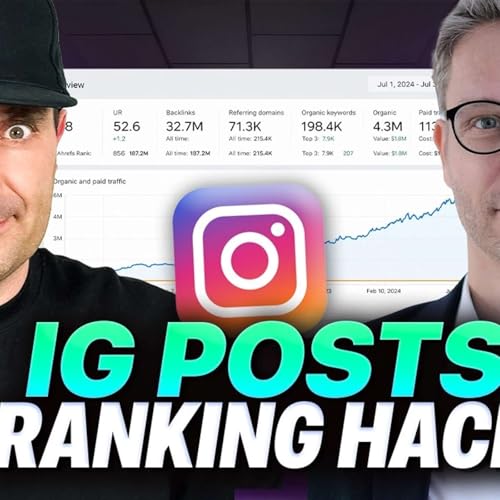
    This video explains how to rank Instagram posts in Google Search using indexing, keyword placement and social media SEO. James Dooley and Jesper Nissen discuss why Instagram URLs now appear in Google because Meta changed its indexing rules and Google can crawl many public Instagram profiles and posts. Jesper explains that the first seven to 12 words of an Instagram post often act as the SEO title, so keyword placement matters. They also cover using an indexer, such as Prime Indexer, because faster crawling helps posts appear in search sooner. The discussion explores Instagram images, review graphics and Google Images because readable text in images can support brand reputation and visibility. They also clarify that likes, comments and follower count appear less important than crawlability, content structure and long-tail keyword relevance.

    Show More Show Less
    8 mins
  • Get Your Tweets Ranking on Google | James Dooley x Jesper Nissen
    Apr 30 2026

    This video explains how to rank tweets in Google using X as a parasite SEO and branding asset. James Dooley and Jesper Nissen discuss why X content often indexes quickly, because Google crawls active X profiles frequently. Jesper explains that the first 7 to 12 words of a tweet often act as the SEO title, so the opening phrase should match the keyword target. They also cover X articles, nofollow links, t.co redirects, image SEO, EXIF data and how tweets can appear in Google AI overviews. The discussion highlights why engagement is not always required, because even new X accounts can rank when posts are indexed properly. The outcome is a practical workflow for using tweets, images, articles and Prime Indexer to gain fast Google visibility.

    Show More Show Less
    9 mins
  • Ranking Facebook Posts in Google Made Simple | James Dooley & Jesper Nissen
    Apr 30 2026

    This video explains how to rank Facebook posts in Google using company pages and public groups. James Dooley and Jesper Nissen discuss why Facebook posts can rank because Meta changed indexing rules for Facebook, Instagram and Threads. They explain that personal profile posts do not rank, but company page and public group posts can index and appear in search. Jesper Nissen shares how Google often uses the first 7 to 12 words as the SEO title, which means the target keyword should appear at the start of the post. The video also covers indexing tools, Google Maps links, local SEO use cases, image search, comments, branded pages and Web 2.0 backlinks. The outcome is a practical parasite SEO method for using Facebook posts to rank faster in Google and support local visibility.

    Show More Show Less
    14 mins
  • Parasite SEO in 2026: Leveraging Third Party Corroboration (James Dooley Interviews Charles Floate)
    Mar 19 2026
    Parasite SEO in 2026 is driving rankings, AI visibility and rapid traffic growth, but most businesses still do not understand how it works. In this discussion, James Dooley and Charles Floate break down how parasite SEO allows sites to rank quickly by leveraging high authority domains. Google continues to favour trusted platforms like news sites, Reddit and YouTube because authority signals drive rankings faster than standalone websites. The strategy works because Google validates third-party consensus, which allows content on external domains to outperform traditional SEO efforts. The video also explains how parasite SEO can influence AI Overviews and LLM outputs, as repeated information across multiple sources shapes perceived truth. Understanding cycles, tracking ranking shifts and adapting to algorithm changes is essential because parasite SEO success depends on timing, domain trust and ongoing research.Where to Listen to This EpisodeParasite SEO in 2026: Leveraging Third Party Corroboration (James Dooley Interviews Charles Floate) is available across all major podcast platforms. Choose your preferred platform below.Listen on TransistorListen on Apple PodcastsListen on Pocket CastsListen on Amazon MusicListen on AudibleListen on CastroListen on GoodpodsListen on CastboxListen on Podcast AddictListen on DeezerListen on RephonicListen on MetacastListen on Player FMListen on SpotifyListen on Listen NotesListen on Podcast GuruListen on PodchaserListen on PodverseListen on Pod.LinkListen on TruefansListen on CastamaticListen on PodbeanListen on Entity Home
    Show More Show Less
    9 mins
  • How to Protect Your Website from Black Hat SEO (James Dooley Interviews Brian Kato)
    Mar 19 2026

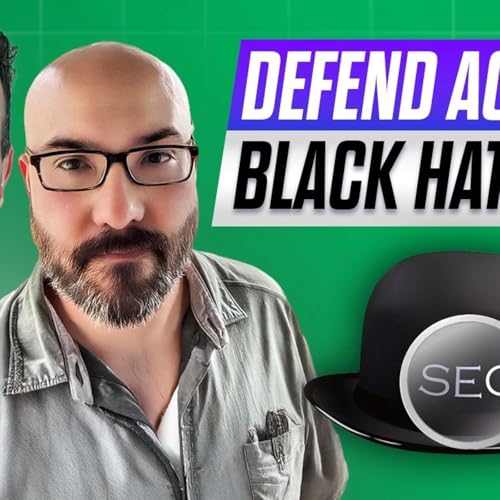
    How do you defend against black hat SEO attacks that can damage rankings overnight? In this interview, James Dooley speaks with cyber security expert Brian Kato about the real risks behind negative SEO and how businesses can protect their sites in 2026. Many SEO issues are self-inflicted because poor link building, weak site structure and bad practices create vulnerabilities that attackers exploit. The discussion covers entity poisoning, review bombing, toxic backlinks, canonical issues and how competitors attempt to manipulate brand signals. Brian explains that understanding your baseline performance is critical because sudden changes highlight coordinated attacks. Instead of relying heavily on disavow, building stronger links, improving topical relevance and reinforcing brand authority protects rankings because stronger signals outweigh manipulation attempts.

    Where to Listen to This Episode

    How to Protect Your Website from Black Hat SEO is available across all major podcast platforms. Choose your preferred platform below.

    • Listen on Transistor
    • Listen on Apple Podcasts
    • Listen on Pocket Casts
    • Listen on Amazon Music
    • Listen on Audible
    • Listen on Castro
    • Listen on Goodpods
    • Listen on Castbox
    • Listen on Podcast Addict
    • Listen on Deezer
    • Listen on Rephonic
    • Listen on Metacast
    • Listen on Player FM
    • Listen on Spotify
    • Listen on Listen Notes
    • Listen on Podcast Guru
    • Listen on Podchaser
    • Listen on Podverse
    • Listen on Pod.Link
    • Listen on Truefans
    • Listen on Castamatic
    • Listen on Podbean
    • Listen on Entity Home
    Show More Show Less
    11 mins
  • Optimising for Google Gemini AI Overviews (James Dooley Interviews Brian Kato)
    Mar 2 2026

    James Dooley interviews Brian Ko about Google Gemini AI overview optimisation because ranking first in organic search no longer guarantees visibility in AI summaries. Brian Ko explains that traditional SEO foundations still matter but enhanced brand validation through press releases, social media and third party mentions increases inclusion in AI overviews since algorithms prioritise corroborated brand signals. They discuss brand dominance across the first two pages of Google, sentiment monitoring and short form video amplification because AI systems evaluate reputation, trust and consensus beyond website content. The discussion matters as businesses shift from keyword rankings to entity authority and brand control in AI driven search.

    Where to Listen to This Episode

    Optimising for Google Gemini AI Overviews (James Dooley Interviews Brian Kato) is available across all major podcast platforms. Choose your preferred platform below.

    • Listen on Transistor
    • Listen on Apple Podcasts
    • Listen on Pocket Casts
    • Listen on Amazon Music
    • Listen on Audible
    • Listen on Castro
    • Listen on Goodpods
    • Listen on Castbox
    • Listen on Podcast Addict
    • Listen on Deezer
    • Listen on Rephonic
    • Listen on Metacast
    • Listen on Player FM
    • Listen on Spotify
    • Listen on Listen Notes
    • Listen on Podcast Guru
    • Listen on Podchaser
    • Listen on Podverse
    • Listen on Pod.Link
    • Listen on Truefans
    • Listen on Castamatic
    • Listen on Podbean
    • Listen on Entity Home
    Show More Show Less
    13 mins
  • Personal Branding Is Risk Management (James Dooley Interviews Dennis Yu)
    Mar 2 2026

    James Dooley interviews Dennis Yu about personal branding because reputation built by others carries more weight than self promotion. Dennis Yu argues that personal branding acts as risk management since consistent positive endorsements create a buffer against future negative events. They discuss serving core relationships, amplifying third party proof and honouring clients because strong word of mouth builds authority in AI systems and real markets. The conversation matters as business owners shift from ego driven visibility to reputation driven growth that protects long term brand equity.

    Where to Listen to This Episode

    Personal Branding Is Risk Management is available across all major podcast platforms. Choose your preferred platform below.

    • Listen on Transistor
    • Listen on Apple Podcasts
    • Listen on Pocket Casts
    • Listen on Amazon Music
    • Listen on Audible
    • Listen on Castro
    • Listen on Goodpods
    • Listen on Castbox
    • Listen on Podcast Addict
    • Listen on Deezer
    • Listen on Rephonic
    • Listen on Metacast
    • Listen on Player FM
    • Listen on Spotify
    • Listen on Listen Notes
    • Listen on Podcast Guru
    • Listen on Podchaser
    • Listen on Podverse
    • Listen on Pod.Link
    • Listen on Truefans
    • Listen on Castamatic
    • Listen on Podbean
    • Listen on Entity Home
    Show More Show Less
    12 mins