Continuing Studies: Higher Ed Podcasting cover art

Continuing Studies: Higher Ed Podcasting

Continuing Studies: Higher Ed Podcasting

By: Jennifer-Lee Gunson & Neil McPhedran. HigherEdPods.com. Podium Podcast Co.
Listen for free

We explore the intersection of higher education and podcasting. Each episode of Continuing Studies features insights from seasoned university podcasters who share tips, best practices, and stories from their podcasting journeys. Hosted by Jennifer-Lee Gunson and Neil McPhedran, this series covers everything from the technical aspects of podcasting to the art of storytelling and conducting interviews. Continuing Studies is more than just a podcast; it's a community. Connect with fellow higher ed podcasters, share your experiences, and continue your podcasting education on HigherEdPods.com. We're also on a journey to infuse Podcasting 2.0 best practices into our show. Our goal is to try every feature to determine the best suited for higher education podcasting. We'll be sharing our learnings and reviewing new podcasting apps and hosting services embracing Podcasting 2.0. Show Website: https://www.continuingstudiespodcast.com/ Show LinkedIn Page: https://www.linkedin.com/showcase/continuing-studies-podcast/©2026 Podium Podcast Company Economics Marketing Marketing & Sales
Episodes
  • Using Academic Research to Make Sense of the News Cycle
    May 18 2026

    How can a podcast use academic research to help us make sense of today’s news?

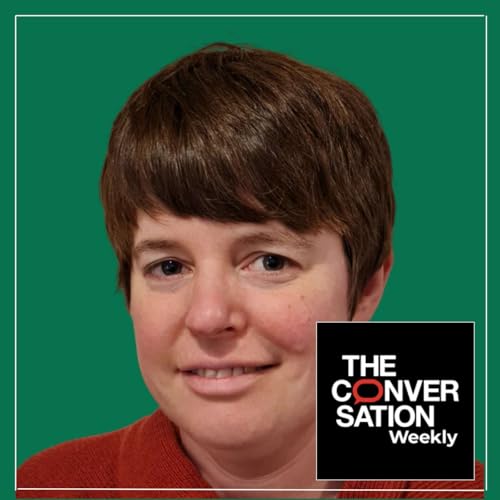
    Neil and Jen talk with Gemma Ware, head of audio at The Conversation UK and host/co-producer of The Conversation Weekly, about how the show brings academic expertise into the news cycle through narrative-produced audio. Gemma shares how The Conversation pairs academic rigour with journalistic flair, helping researchers explain complex ideas in a way that’s clear, accessible, and useful for a general audience.

    The conversation also digs into the craft behind the show: structuring episodes around the question “How did we get here?”, working with academics on mic, sustaining a weekly production schedule, and thinking strategically about multimedia, video, and discoverability. It’s a thoughtful look at how higher ed podcasters can translate expertise into stories that help listeners better understand the world around them.


    Episode Links:

    • The Conversation Weekly
    • The Conversation
    • Gemma Ware Profile

    Connect with Us:

    • Share Feedback & Ask Questions: hello@continuingstudiespodcast.com
    • Learn More: Continuing Studies Podcast
    • Follow: Continuing Studies LinkedIn Page
    • Join LinkedIn Group: University Podcasters Network
    • Connect w/ Jen: LinkedIn or jpodcreations@gmail.com
    • Connect w/ Neil: LinkedIn or neil@podiumpodcastco.com
    • Twitter: @namcphedran / @podiumpodcastco
    • Youtube
    • HigherEdPods


    Chapters:

    • (00:00) - Introduction
    • (04:05) - What is The Conversation?
    • (05:51) - The Editing Process
    • (07:13) - From The Anthill to The Conversation Weekly
    • (11:14) - The “How did we get here?” structure
    • (13:27) - Turning current affairs into academic storytelling
    • (15:18) - Sustaining a weekly podcast
    • (16:43) - Helping academics communicate clearly
    • (20:04) - Building a global audio network
    • (22:18) - Podcasting, multimedia, and discoverability
    • (28:25) - Leaning into niche expertise
    • (31:02) - How long should the story be?
    • (31:51) - Closing reflections
    • (32:39) - Conclusion

    Join us at Higher Ed Pod Con in Cleveland, OH, July 16 - 17 2026
    Sign up by May 29 for Early Bird Pricing

    Show More Show Less
    34 mins
  • How MIT Turns Teaching into Podcasts, Video, and Reach
    May 4 2026

    25 years ago, MIT made a bold choice: share our knowledge with the world, free of charge. Eventually, out of this, Chalk Radio was born as one tool of MIT's OpenCourseWare to deliver that knowledge.

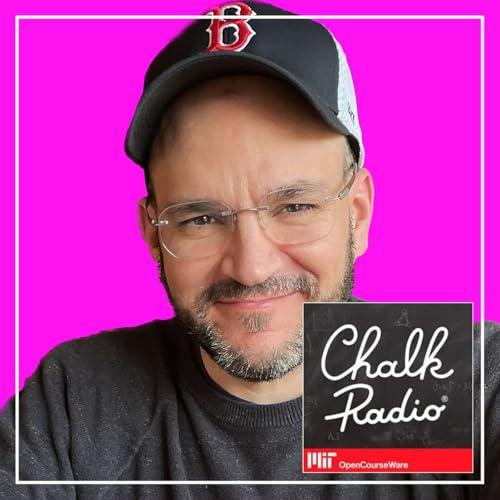
    In this episode, Neil and Jen talk with Brett Paci, producer of the Chalk Radio podcast and Assistant Director of Media Production at MIT OpenCourseWare, about how that mission has evolved over 20+ years. From static course materials, to YouTube lectures, to short-form clips, to narrative audio, and now to full podcast and video formats. What makes their approach stand out is that it’s never been about chasing formats; it’s about following the audience.

    Brett shares how the team experiments constantly, and adapts based on how people actually consume content, whether that’s a 30-second clip, a full lecture, or a long-form conversation. It’s a practical look at how one of the world’s most recognizable institutions continues to evolve, not by sticking to one format, but by constantly adapting to meet learners where they are.


    Episode Links:

    • Contact Brett Paci on LinkedIn
    • MIT OpenCourseWare
    • Chalk Radio Podcast
    • MIT OpenCourseWare on YouTube

    Where in the World are Jen & Neil:

    • Higher Ed Pod Con
    • The Podcast Show (London)
    • EPOD Conference

    Connect with Us:

    • Share Feedback & Ask Questions: hello@continuingstudiespodcast.com
    • Learn More: Continuing Studies Podcast
    • Follow: Continuing Studies LinkedIn Page
    • Join LinkedIn Group: University Podcasters Network
    • Connect w/ Jen: LinkedIn or jpodcreations@gmail.com
    • Connect w/ Neil: LinkedIn or neil@podiumpodcastco.com
    • Twitter: @namcphedran / @podiumpodcastco
    • Youtube
    • HigherEdPods


    Chapters:

    • (00:00) - Who is OpenCourseWare For?
    • (02:12) - Introduction
    • (04:55) - Brett Paci and The Origins of OpenCourseWare
    • (08:02) - From Course Materials to YouTube Growth
    • (08:20) - Expanding Beyond What to Teach to How to Teach
    • (09:32) - From Short Clips to Full Podcast Conversations
    • (10:35) - Building an Audience Before Launching a Podcast
    • (12:03) - Why Format Should Follow the Audience
    • (14:25) - From Narrative Production to Conversational Podcasting
    • (19:15) - Returning to Video and Experimenting with Format
    • (22:30) - Testing Content: Full Episodes, Clips, and What Performs
    • (27:06) - Treating Video as a Pilot and Learning What Works
    • (31:16) - Conclusion

    Join us at Higher Ed Pod Con in Cleveland, OH, July 16 - 17 2026
    Sign up by May 29 for Early Bird Pricing

    Show More Show Less
    33 mins
  • How To Be a Better Podcast Host (or Co-host)
    Apr 20 2026

    What are the core skills that make a great podcast host? Before podcasting, there was broadcasting, and there’s still a lot to learn from it.

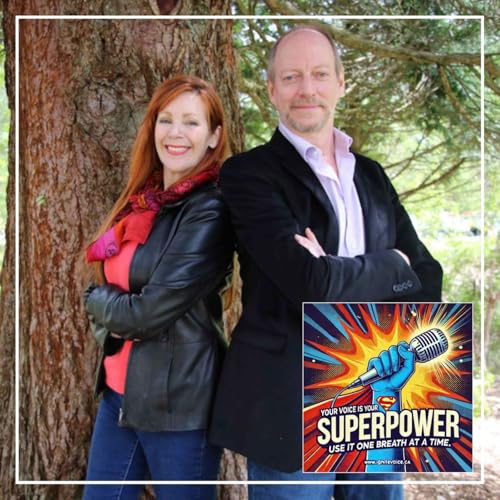
    This week, Neil and Jen go back to school, well, Jen's school that is. They head to BCIT’s broadcasting studios to host Jen’s former instructors, Kathryn Stewart and Kevin Ribble, now co-hosts of Ignite My Voice. Kat and Kevin share what podcast hosts can learn from broadcast training, using your breath to manage nerves on the mic, how to keep an audience engaged, storytelling & listening, and letting go of imposter syndrome.

    They also explore co-host dynamics, writing for audio, and how podcasting blends the discipline of radio with the freedom of conversation. It’s a fun, practical, behind-the-scenes look at the core skills that make for better podcasting—and why your voice is your most powerful tool.


    Episode Links:

    • Ignite My Voice
    • Listen to the Ignite my Voice Podcast
    • Contact Kevin | Kat
    • BCIT's Broadcasting Program


    Connect with Us:

    • Share Feedback & Ask Questions: hello@continuingstudiespodcast.com
    • Learn More: Continuing Studies Podcast
    • Follow: Continuing Studies LinkedIn Page
    • Join LinkedIn Group: University Podcasters Network
    • Connect w/ Jen: LinkedIn or jpodcreations@gmail.com
    • Connect w/ Neil: LinkedIn or neil@podiumpodcastco.com
    • Twitter: @namcphedran / @podiumpodcastco
    • Youtube
    • HigherEdPods


    Chapters:

    • (00:00) - Introduction
    • (05:31) - Introducing Kat, Kevin, and the BCIT Program
    • (07:24) - Ignite My Voice & Podcast Freedom
    • (11:08) - Keeping Listeners Engaged and Telling Better Stories
    • (13:12) - Conversation Flow & "Story-Listening"
    • (15:58) - Managing Nerves, Confidence, and Imposter Syndrome
    • (19:27) - The “One Listener” Mindset and Audience Connection
    • (21:25) - Voice, Breath, and the Mind-Body Approach to Hosting
    • (25:27) - Co-Hosting, Scripts, and Finding Your Natural Style
    • (29:43) - Conversation vs. Interview
    • (31:17) - Letting Go of Fear
    • (33:59) - Conclusion

    Join us at Higher Ed Pod Con in Cleveland, OH, July 16 - 17 2026
    Sign up by May 29 for Early Bird Pricing

    Show More Show Less
    36 mins
adbl_web_anon_alc_button_suppression_c
No reviews yet